
Emotional development is the foundation of raising emotionally intelligent children.
Why Children’s Emotions Often Feel So Intense
Parents often wish their children could be happier, calmer, stronger, or less sensitive. Concerns commonly arise when children cry frequently, become angry quickly, or appear fearful of situations that seem small to adults. Many caregivers were raised with the belief that strong emotions should be controlled, hidden, or eventually outgrown. As a result, children’s open emotional expression can feel confusing, uncomfortable, or even alarming.
A common question parents ask is why children’s emotions appear so big:
“Why can a small disappointment lead to tears, or a minor frustration turn into a full emotional meltdown?”
The Role of Brain Development
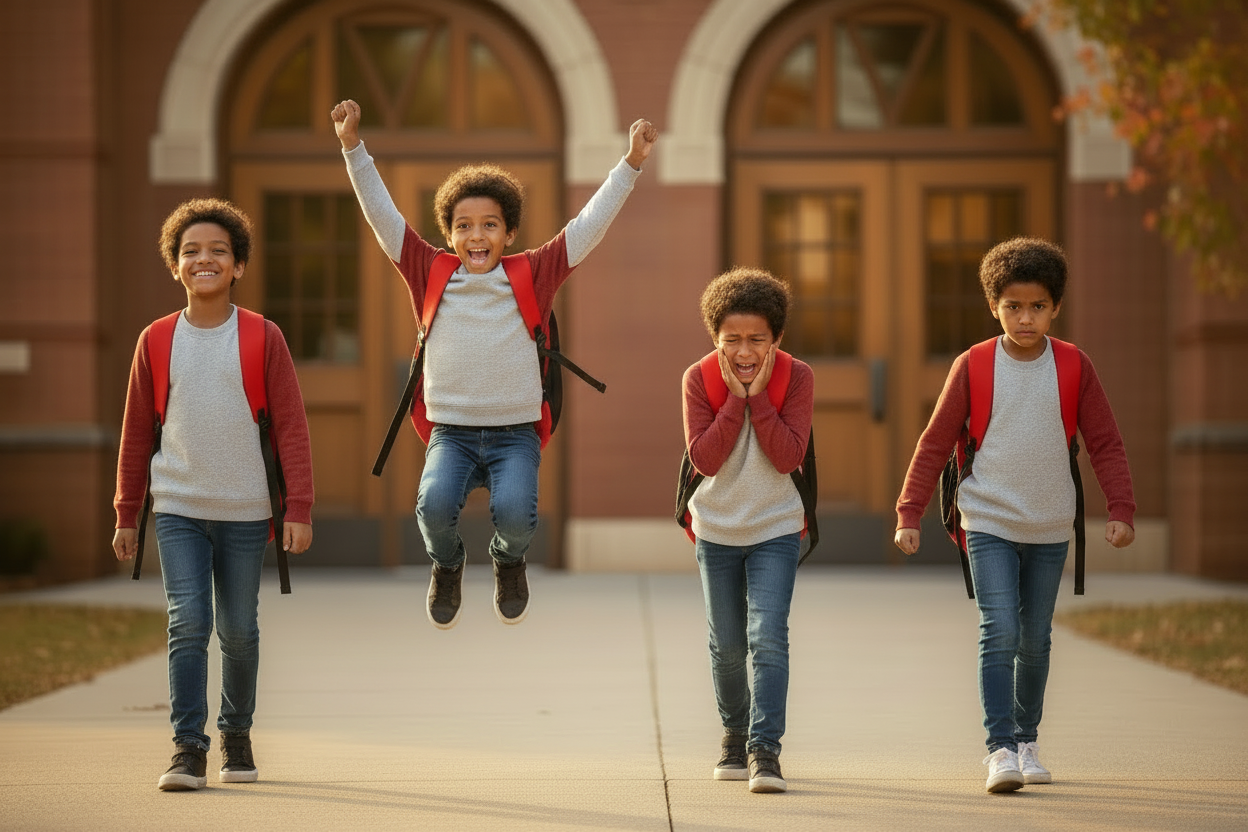
The answer lies in brain development. The emotional centers of the brain mature much earlier than the regions responsible for logic, impulse control, and self-regulation. When a child screams, cries, or shuts down, this is not manipulation or misbehavior. It is an overwhelmed nervous system signaling a need for support.
In these moments, children do not benefit from lectures or punishment. They benefit from connection and emotional guidance.
Why Emotional Intelligence Matters
This is where emotional intelligence becomes essential. In a rapidly changing world, emotional intelligence remains one of the most important life skills children can develop and one that cannot be replaced by technology or artificial intelligence.
Emotional Safety as the Foundation of Emotional Intelligence
What Emotional Safety Means
At the core of emotional intelligence is emotional safety. Safety extends beyond the physical environment and includes understanding and acceptance of internal experiences. When children feel safe with their emotions, they are more capable of recognizing them, understanding their purpose, and responding in healthy ways.
The Basic Emotions Children Are Born With
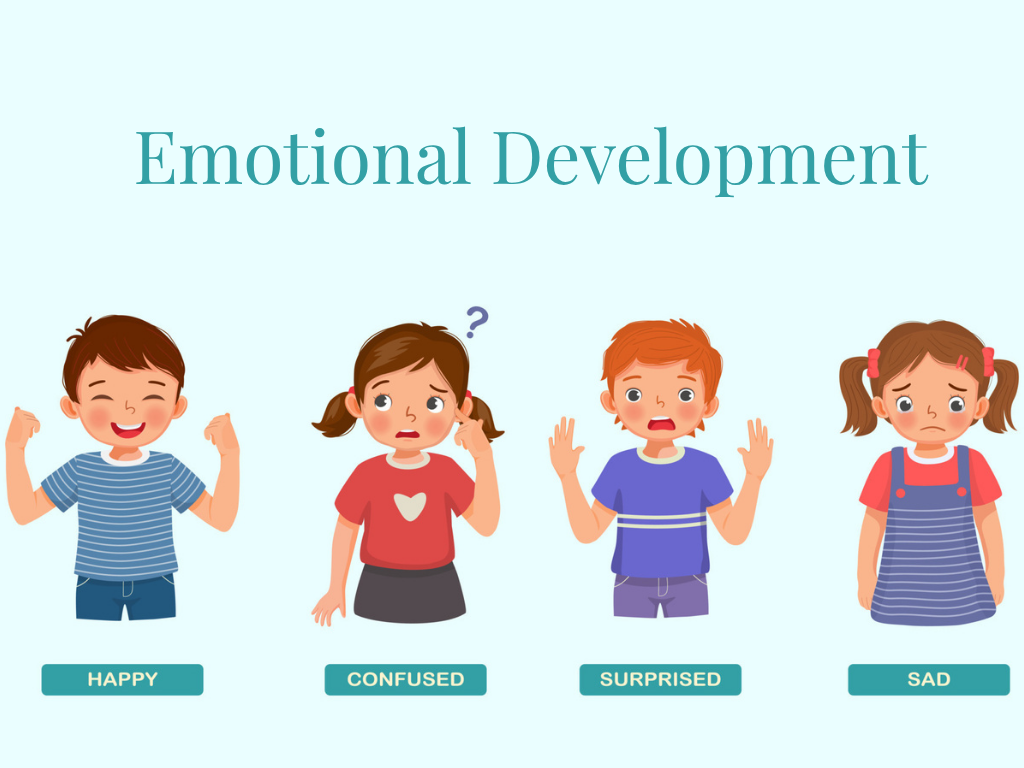
Children are born with essential basic emotions:
- Psychological research suggests that humans are born with basic emotions.
- Joy signals that something positive is happening.
- Sadness reflects loss or unmet needs.
- Anger arises when boundaries feel crossed or when situations appear unfair.
- Fear serves as a warning of potential danger.
- Disgust protects against harm.
- Surprise occurs when something unexpected takes place.
None of these emotions is inherently negative. They function as signals rather than problems.
When Emotions Are Labeled as “Bad”
When emotions are labeled as bad, weak, or unacceptable, children do not stop experiencing them. Instead, they learn to suppress or hide them. Over time, suppressed emotions can resurface as anxiety, withdrawal, or passive aggression toward themselves or others.
Emotions Versus Feelings
Emotions are automatic responses of the nervous system to internal and external experiences. They arise instantly and without conscious choice. Loud sounds trigger fear. Loss brings sadness. Boundary violations evoke anger. Positive connection brings joy.
Although the terms emotions and feelings are often used interchangeably, they are not the same. Emotions are biological and immediate. Feelings are more complex and long-lasting, shaped by emotions, thoughts, and personal interpretation.
For example, fear is an emotion that activates the body: the heart races, the body tenses, and the breath becomes shallow, while feeling unsafe or rejected reflects how that emotion is understood and labeled.
Why Naming Emotions Matters
Children experience emotions long before they have the language or cognitive capacity to turn them into feelings. They experience emotional intensity without yet knowing how to organize or express it. When adults help children name what is happening internally, the nervous system begins to calm.
Naming emotions brings structure to overwhelm and transforms chaos into something manageable.
How Emotional Regulation Is Learned
Emotional Regulation Is Learned at Home
While emotions cannot be controlled, responses to emotions can be learned. Emotional regulation is not an innate skill. It develops through guidance and repeated experience, beginning at home.
The Power of Modeling
As writer James Baldwin observed, “Children have never been very good at listening to their elders, but they have never failed to imitate them.” Children learn far more from what adults model than from what they are told.
Especially in early childhood (before the age of seven), children absorb emotional patterns from their environment. What they observe at home becomes their reference point for what is normal.
Parents as Emotional Mirrors
Parents are the most influential figures in a child’s emotional world, and children are deeply motivated to preserve a connection with them. As a result, they often adopt parental emotional patterns and coping strategies, sometimes carrying them into adulthood.
Children learn how to relate to emotions by watching the adults who matter most. Parents act as emotional mirrors, consciously or unconsciously teaching children whether emotions are safe and how they should be handled.
Cultural Messages Around Emotions
How Previous Generations Were Taught to Handle Feelings
In many cultures, previous generations emphasized self-respect, self-control, and discipline. Children were often taught to remain polite, comply with authority, suppress anger, and appear strong, sometimes at the expense of emotional expression.
Phrases such as “don’t make drama,” “be strong,” or “good children don’t behave this way” were often spoken with care and good intentions. Over time, however, these messages can evolve into limiting beliefs that disconnect individuals from their authentic emotional experiences.
The Parents’ Role in Emotional Development
Guiding Rather Than Eliminating Emotions
The role of parents is not to remove emotions from children’s lives, but to guide children through emotions with compassion and awareness. When children learn that emotions are safe and manageable, they are more likely to grow into adults who can navigate stress, relationships, and challenges with balance, resilience, and self-awareness.
Have advice for moms or a personal story to tell? We’d love to feature your voice on our blog! Share your experiences with us here! We’re always excited to welcome new perspectives and stories from moms like you!