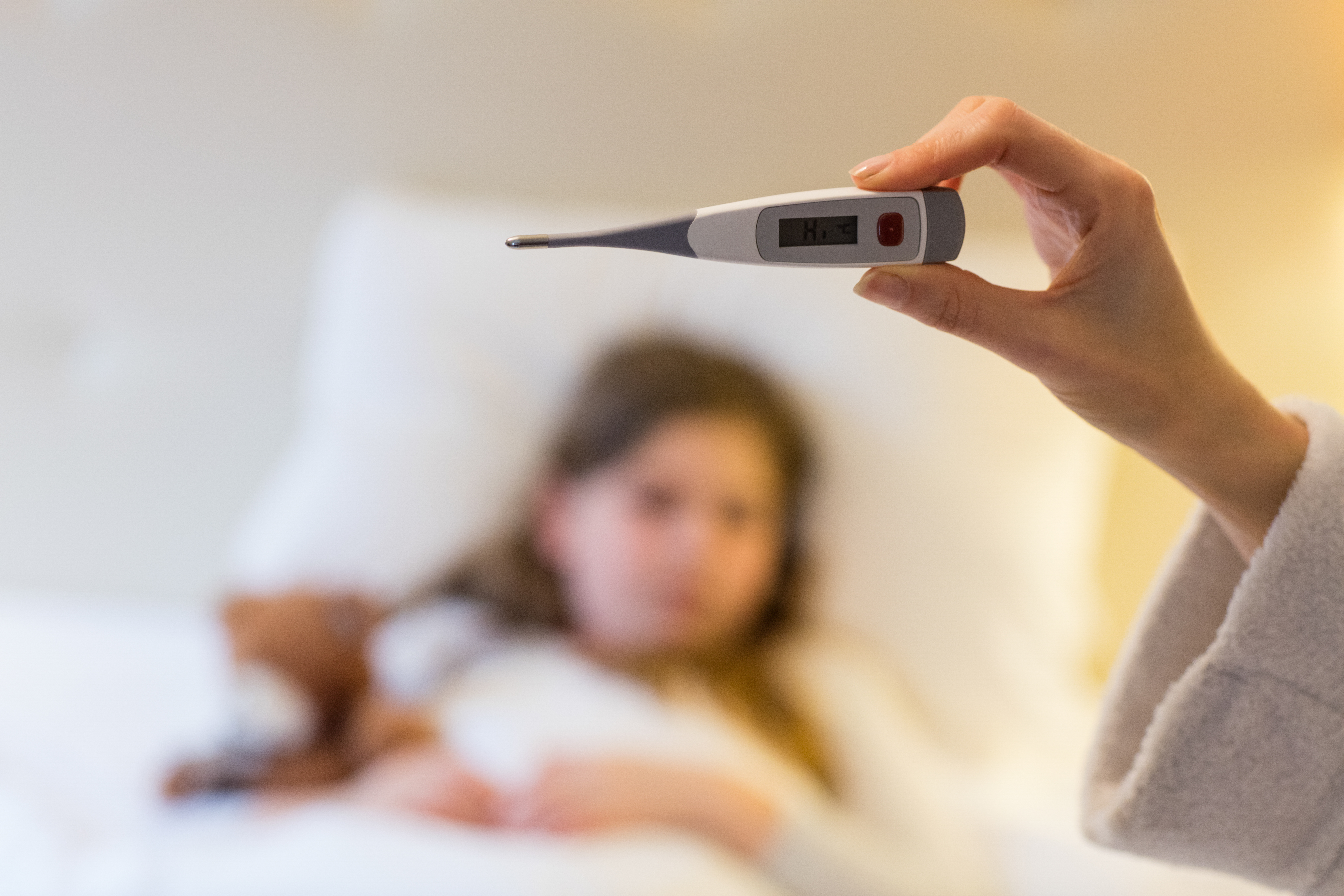

As a paediatrician and a mother, I can relate and understand how anxiety-provoking a fever can be. It often comes suddenly, usually at night, and can make even the calmest parent feel unsure. One of the most important – and hopefully comforting – things I tell parents is this: a fever is not the illness but rather a sign that the body is doing its job.
A fever is the body’s natural response to infection, most commonly caused by viruses. It is part of the immune system’s defence mechanism, helping the body fight off germs more effectively. While it can make your child uncomfortable, the fever itself is not usually dangerous.
So what counts as a fever?
In children, a temperature of 37.5°C or higher is considered a fever. It’s important to measure temperature accurately, ideally with a digital thermometer, as high-grade fevers should be acted on more than low-grade fevers.
But here’s where many parents get caught out:
The number on the thermometer is not the most important thing. Instead of focusing only on the fever’s temperature, focus on how your child looks and behaves.
A child with a fever who is:
- Drinking Fluids
- Responsive
- Playing intermittently
- Consolable
is generally reassuring even if the temperature is high.
On the other hand, a lower fever in a child who is:
- Very lethargic
- Not feeding
- Difficult to wake
- Breathing rapidly or struggling to breathe is more concerning and should prompt medical attention.
When should you treat a fever?
We don’t treat the number, but we treat the discomfort.
If your child is miserable, in pain, or not sleeping well, you can use fever-reducing medication like paracetamol (or ibuprofen in older infants) to make them more comfortable. The goal is not to “normalize” the temperature, but to help your child feel better.
What about febrile seizures?
This is one of the biggest fears for parents. Febrile seizures can occur in some children between 6 months and 6 years of age. While they are frightening to witness, they aren’t common, generally harmless and do not cause long-term damage.
If your child has a seizure:
- Place them on their side
- Do not put anything in their mouth
- Seek medical attention
Red Flags: When to seek urgent medical care
While most fevers are caused by mild viral infections, there are certain signs that should never be ignored:
- A baby under 3 months with a fever
- Difficulty breathing
- Persistent vomiting or inability to keep fluids down
- Signs of dehydration (dry mouth, no tears, fewer wet nappies)
- A rash that does not fade when pressed
- Severe headache, neck stiffness, or sensitivity to light
- A child who is unusually drowsy, floppy, or unresponsive
Trust your instincts and if something doesn’t feel right, it’s always worth having your child assessed.
Common myths about fevers
Let’s clear up a few:
Myth: “High fevers cause brain damage”
Fact: This is not true in typical infections.
Myth: “You must always bring the fever down”
Fact: Not necessary unless your child is uncomfortable.
Myth: “Alternating medications is required.”
Fact: Not routinely recommended unless advised by your doctor.
So what should you do at home?
- Keep your child well hydrated
- Dress them comfortably (not overdressed or underdressed)
- Monitor their behaviour more than the number
- Offer medication if they are uncomfortable
- Give them time to rest and recover
Fevers are incredibly common in childhood, and while they can be distressing, they are usually part of a normal, healthy immune response.
As parents, the goal isn’t to fear the fever but to understand it. And most importantly: you know your child best.
Disclaimer: This blog is intended for informational purposes only and does not replace professional medical advice, diagnosis, or treatment. Always seek guidance from your child’s pediatrician or qualified healthcare provider regarding any medical concerns or symptoms.
Have advice for moms or a personal story to tell? We’d love to feature your voice on our blog! Share your experiences with us here! We’re always excited to welcome new perspectives and stories from moms like you!